Choosing the best Biometric Security System from China requires more than comparing cameras, prices, or software features. A reliable solution must perform accurately in real conditions, protect personal data, and remain dependable after installation. A clean showroom demonstration is not enough. Fingerprints may be dusty. Faces may appear under weak lighting. Staff may also need access during network interruptions.
Professor Anil K. Jain, a leading biometric researcher, explains, “Biometrics is the science of recognizing individuals based on their physical and behavioral characteristics.” His definition highlights an important point: biometric security is based on human traits, but those traits are not perfect passwords. They cannot simply be replaced after exposure. Therefore, system evaluation should include liveness detection, encryption, access controls, audit logs, and clear data-retention practices.
China offers a broad range of biometric technologies, including facial recognition terminals, fingerprint readers, palm-vein scanners, and multimodal platforms. Some manufacturers provide impressive accuracy and strong integration options. Others may publish limited testing information. That difference matters. Buyers should examine independent performance evidence, device durability, software update policies, and technical support in their actual region.
Real deployment reveals the truth.
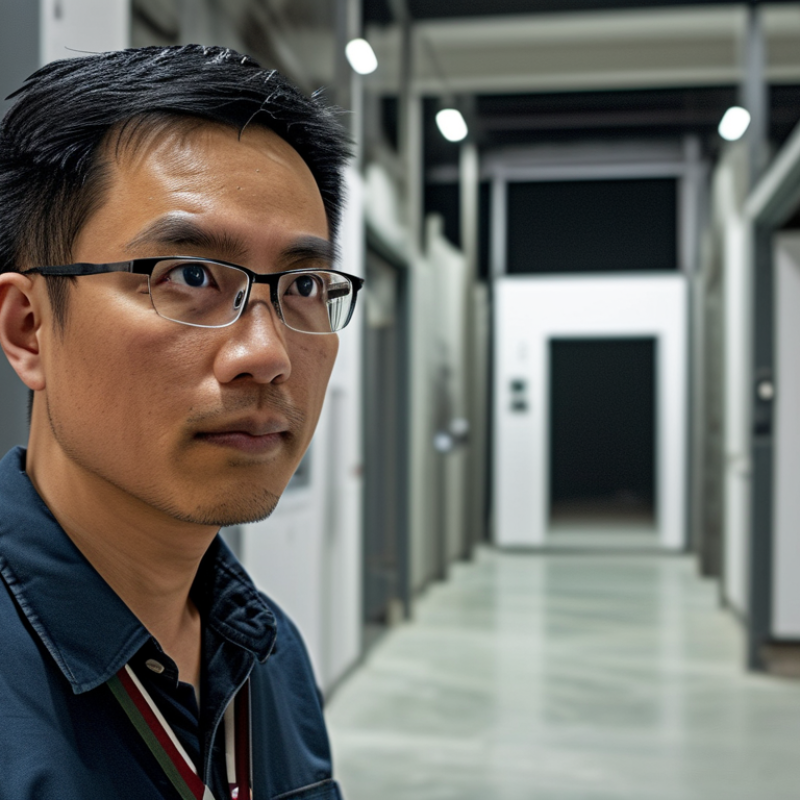
A warehouse entrance, for example, may face dust, protective masks, changing sunlight, and frequent employee movement. The best system is not always the most advanced one. It is the system that matches the site, risk level, budget, and governance requirements. This article compares major evaluation criteria and leading Chinese solutions while acknowledging an uncomfortable reality: no biometric system is flawless. Careful testing, human oversight, and regular review remain essential.
Defining a biometric security system made in China requires more than checking the assembly label. It means examining the sensor, firmware, matching engine, cloud controls, and maintenance process. A credible system should publish test conditions, not only an attractive accuracy figure. NIST SP 800-63B offers a useful benchmark: remote biometric comparison should target a false match rate of 1 in 1,000 or better. For facial recognition, the guideline also references a false non-match rate below 5%. Real sites are less tidy. Dust, masks, glare, and camera height can change results.
China-made systems may benefit from local manufacturing, faster component access, and nearby technical support. However, origin alone proves nothing. Buyers should request independent presentation-attack testing under ISO/IEC 30107-3 and review NIST FRTE reports where available. These reports show that demographic differences can affect error rates. Procurement teams should also inspect encryption, access logs, signed updates, retention periods, and deletion procedures. A low error rate is not a complete security argument. I would question any supplier that cannot explain failure handling.
Tips: Test the device at the actual doorway, during morning glare and evening shadows. Measure false rejects and response time for several weeks. Keep a non-biometric fallback. Ask who can access biometric templates, where they are stored, and how deletion is verified. A polished demonstration can create false confidence. Evidence matters more than a showroom.
Chinese biometric security systems increasingly combine facial recognition, fingerprint scanning, iris analysis, and voice verification. This multimodal approach reduces dependence on one biological feature. A dusty fingerprint reader may fail, while facial matching still works. In controlled environments, infrared cameras also support liveness detection. They check depth, movement, and natural facial responses before granting access.
Edge computing is another important technology. Devices can process biometric data locally instead of sending every image to a distant server. This can reduce delay and limit unnecessary data transmission. Encrypted storage protects templates, which are mathematical representations rather than ordinary photographs.
Secure access terminals may also use tamper alerts, role-based permissions, and detailed audit logs. These controls help security teams review a door opening at 9:42 a.m. or investigate repeated failed attempts.
No system is flawless. Poor lighting, masks, aging, or camera angles can affect accuracy. A practical site assessment should test different users and real working conditions, not only laboratory samples. Operators must also define retention periods, obtain appropriate consent, and restrict administrative access. Technology alone cannot create reliable protection. Clear procedures matter. Regular accuracy checks are necessary, although they can be inconvenient and expensive.
The best Chinese biometric security solution is therefore not simply the fastest scanner. It is a carefully managed combination of sensors, algorithms, privacy controls, and human oversight.
What Is the Best Biometric Security System from China? The answer depends on measured performance, not country of origin. For a system sourced from China, request independent test records before reviewing appearance, software features, or installation price. Check false match rate, false non-match rate, response time, and enrollment success. NIST SP 800-63B recommends a facial recognition false match rate of 1 in 1,000 or better for digital identity use. A vendor should provide test conditions, sample size, lighting, and camera distance.
Real sites are less predictable. Test the reader at a factory entrance, under 300–500 lux lighting, with glasses, masks, wet fingers, and different skin tones. Record how often an authorized worker is rejected during a busy shift. NIST’s Face Recognition Vendor Test, Demographic Effects report, found false-match differences ranging from 10 times to more than 100 times across algorithms and demographic groups. That finding deserves attention. A high average score can hide weak results for smaller user groups.
Liveness detection also matters. Ask for presentation attack detection results tested under ISO/IEC 30107-3 procedures. Test printed photos, replayed videos, silicone props, and low-quality phone screens, where permitted by the evaluation plan. Review audit logs, data encryption, retention controls, and offline behavior. A system that opens quickly but loses records during a network outage is not reliable. I would also repeat testing after three months. Performance often changes after camera movement, dust, firmware updates, or employee turnover. No score tells the whole story.
How to Evaluate Biometric Security System Performance
A reliable biometric security system should combine a high genuine-user acceptance rate with a very low false-acceptance rate. The reference profile below uses measurable evaluation indicators: genuine-user acceptance, impostor rejection, liveness detection pass rate, and system availability. Lower false acceptance and false rejection rates, together with fast response and stable operation, are essential when comparing systems.
China’s biometric security sector offers several practical solution types. Fingerprint systems remain common for office doors, lockers, and attendance terminals. Facial recognition supports touchless entry, visitor screening, and building access. Iris recognition provides strong accuracy in controlled environments, especially where lighting remains stable. Palm-vein systems add another option for hospitals, laboratories, and high-security facilities.
Multimodal solutions combine two or more biometric methods. A door terminal might check a face and a palm vein within seconds. This can reduce dependence on one sensor, but it also increases installation and maintenance costs. Voice recognition is useful for remote verification, although background noise can weaken performance.
According to MarketsandMarkets’ 2024 report, the global biometric system market may grow from about 47.8 billion dollars in 2024 to 82.9 billion dollars by 2029. The demand is broad, not automatically proof of quality.
Professional evaluation still matters. NIST’s Face Recognition Vendor Test research shows that accuracy varies by algorithm, image quality, and demographic group. ISO/IEC 30107-3 also provides testing guidance for presentation attack detection.
Buyers should request independent test results, false-match rates, response times, and clear data-retention rules. A bright lobby is not a laboratory. Dust, masks, poor network connections, and hurried enrollment can change real performance. China’s strongest solutions often combine biometrics with cards, PINs, and human review. That is less dramatic, but usually more dependable.
The strongest system is not simply the fastest camera or most accurate algorithm. It should protect personal data from enrollment through deletion. During a site review, check where facial or fingerprint images become biometric templates. Edge processing can reduce unnecessary transfers. Encryption should cover devices, networks, backups, and administrator access.
Compliance needs careful mapping. In China, biometric information is treated as sensitive personal information under the Personal Information Protection Law. Consent, necessity, transparency, retention limits, and individual rights require documented procedures. Cross-border data transfers may create additional obligations. The deployment country may impose stricter rules. A qualified legal review is essential.
Ask for independent testing, clear audit records, and evidence of secure software updates. Standards for information security and presentation attack detection can support technical evaluation. Also inspect the real installation. A bright lobby, dusty gate, or crowded entrance may reduce accuracy. Keep a non-biometric option where appropriate. That matters.
One practical weakness is often overlooked. Operators may retain templates longer than planned because deletion workflows are unclear. Test deletion with a sample user account. Review access logs weekly. Limit administrator privileges. A system can pass a laboratory test and still fail during a rushed shift change. The best choice is therefore the one your team can operate, audit, and correct consistently.