Why Choose a Fitness Tracker Smart Watch for Your Health?
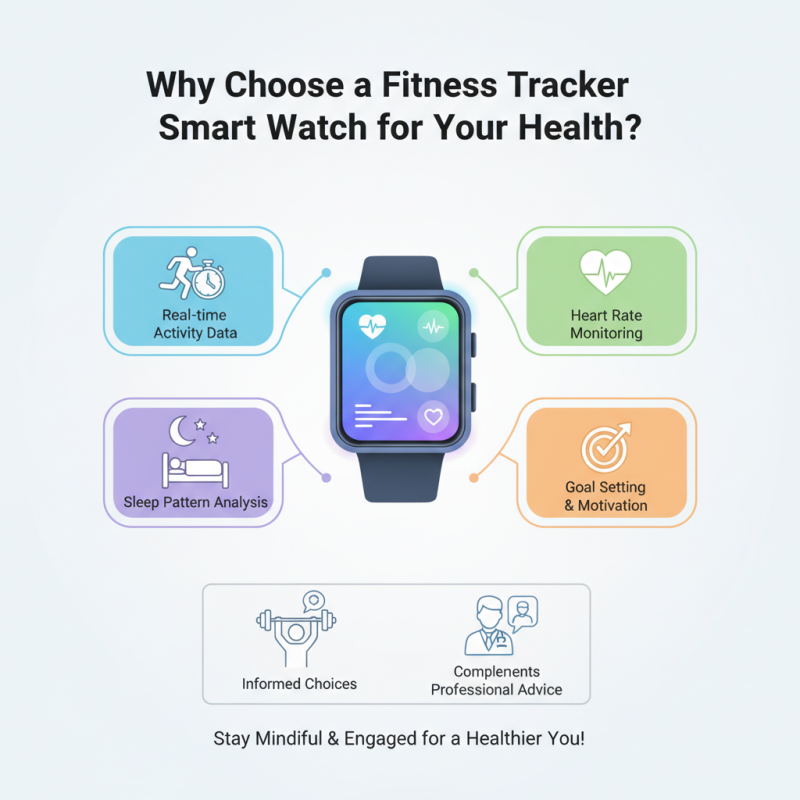
In today’s fast-paced world, health often takes a backseat. Many individuals struggle to monitor their fitness levels effectively. A Fitness Tracker Smart Watch can bridge this gap, empowering users to take charge of their health. These devices provide real-time data on physical activity, heart rate, and sleep patterns. Such insights are crucial for making informed lifestyle choices.
Wearable technology has evolved significantly over the years. Fitness Tracker Smart Watches are now equipped with advanced sensors and features. They can help you set realistic goals and motivate you to achieve them. However, it's essential to remember that these tools depend on how well we use them. They do not replace professional medical advice or personal accountability.
Many users report mixed experiences with their devices. Some find them life-changing, while others struggle to integrate them into their routines. This reflection highlights the importance of consistent use and commitment. Ultimately, a Fitness Tracker Smart Watch can be an invaluable ally in your wellness journey, as long as you stay mindful and engaged.
Benefits of Using a Fitness Tracker Smart Watch for Health Monitoring
In recent years, fitness tracker smartwatches have transformed health monitoring. These devices offer users real-time data on steps, heart rate, and sleep patterns. Research from the National Institutes of Health indicates that individuals who track their health metrics are more likely to achieve fitness goals.
The American Heart Association highlights that integrating activity monitoring into daily routines promotes cardiovascular health. Users can receive alerts for prolonged inactivity, encouraging movement throughout the day. This small adjustment can lead to significant improvements in overall health. Regularly checking health data can also motivate changes in diet and exercise habits.
**Tip:** Set daily activity goals on your smartwatch to maintain motivation. Even small achievements contribute to long-term success.
Many users, however, struggle with consistently reviewing their data. This habit requires discipline and a willingness to adjust behavior. Recognizing areas for improvement can be challenging, yet vital.
**Tip:** Analyze weekly data trends to identify patterns. Adjusting your routine based on these insights can enhance your health outcomes.
Why Choose a Fitness Tracker Smart Watch for Your Health? - Benefits of Using a Fitness Tracker Smart Watch for Health Monitoring
| Feature | Benefit |
| Heart Rate Monitoring | Provides real-time heart rate data for better workout efficiency and health insights. |
| Sleep Tracking | Helps analyze sleep patterns to improve sleep quality and overall recovery. |
| Step Counting | Encourages daily movement by tracking steps and setting goals for physical activity. |
| Caloric Burn Tracking | Estimates calories burned during various activities, aiding in weight management. |
| Water Resistance | Allows for use during workouts in water, contributing to versatility. |
| Mobile Notifications | Keeps you connected while exercising without needing to check your phone frequently. |
| GPS Tracking | Provides accurate route tracking for outdoor activities like running or cycling. |
| Health/Wellness Apps | Provides access to additional apps for meditation, nutrition, and fitness plans. |
Key Features to Look for in Fitness Tracker Smart Watches
When choosing a fitness tracker smart watch, certain key features can enhance your health journey. Look for heart rate monitoring. This feature tracks your pulse throughout the day. It provides data for workouts and helps monitor your general well-being.
Another important aspect is activity tracking. Count steps, distance, and calories burned. A good device encourages movement. It can motivate you when you see your progress. GPS functionality is also valuable. It records your route during outdoor activities. It ensures accuracy in distance and pace measurements.
Sleep tracking is often overlooked but essential. Understanding sleep patterns can improve your rest. Some models provide insights into sleep quality. Alerts for prolonged inactivity can also be helpful. They remind you to move and stay engaged throughout the day. All these features contribute to a more comprehensive health approach, guiding you on your path to wellness.
Comparing Fitness Tracker Smart Watches with Traditional Health Monitors
When comparing fitness tracker smartwatches with traditional health monitors, it’s evident that smartwatches offer unique advantages. A recent report from the International Health Data Consortium highlights that 80% of users prefer the easy integration of smartwatches with mobile apps. These devices track various health metrics, providing real-time feedback on steps, heart rate, and sleep patterns.
Traditional health monitors, such as blood pressure cuffs, have their place, but they often require manual operation. According to the Global Wearable Technology Market Report, fitness trackers can track heart rates continuously and are generally more user-friendly. This means individuals can monitor their health effortlessly throughout the day. However, these devices may not always provide the accuracy that medical-grade equipment offers. Users can be misled by occasional inaccuracies in heart rate readings during intense workouts.
Moreover, many traditional monitors lack the motivational aspects that fitness trackers provide. Research shows that users are more likely to achieve their health goals when engaging with an app. However, it’s essential to recognize that not all data from smartwatches is reliable. Users should remain critical of the information presented. Balancing both types of health monitoring can lead to the most effective health management strategy.
How Fitness Tracker Smart Watches Enhance Goal Setting and Motivation
Fitness tracker smart watches have become essential for those pursuing health goals. They offer features that motivate and track progress effectively. Users can set specific goals, such as daily steps or active minutes. The vibrational alerts and reminders help maintain focus throughout the day. Many find that visual achievements, like closing rings, boost their commitment.
Tracking progress is not always straightforward. Sometimes, people struggle to stay consistent. Fitness apps can provide a false sense of achievement without real effort. Reflecting on what works is crucial. Adjusting goals based on performance can lead to better outcomes. Consistently re-evaluating progress helps maintain motivation.
Community support is another powerful aspect. Many fitness tracker platforms allow sharing achievements. This creates a sense of accountability among users. However, it can also lead to comparisons that might be discouraging. Balancing personal goals with community engagement is vital. In the end, fitness tracker smart watches act as both a guide and a reminder of the journey ahead.
Fitness Tracker Smart Watches: Impact on Health and Goal Setting
Understanding the Data: Interpreting Your Fitness Tracker's Health Metrics
Fitness trackers are increasingly popular, and their health metrics offer valuable insights. Understanding these metrics can guide personal health decisions. According to a recent study by the International Journal of Medical Informatics, effective use of health data can improve individuals' fitness levels by up to 30%. Many users overlook the importance of statistics like heart rate variability (HRV) and sleep quality in their daily routines.
Interpreting HRV can reveal stress levels and overall health status. A low HRV often indicates chronic stress, which may require lifestyle adjustments. Moreover, sleep quality data is crucial. The American Sleep Association states that adults need 7-9 hours of quality sleep for optimal health. Fitness trackers can show patterns, helping users understand their sleep cycles better. However, one must remain critical of these metrics. Relying solely on a single device’s data might lead to misinterpretations.
The metrics offer a snapshot of health, but they don’t tell the whole story. Users need to reflect on their lifestyle and habits. For instance, consistent high stress can skew heart rate readings. Regular data review and reflection are key to truly understanding personal health. By critically engaging with these metrics, individuals can make informed choices.