How to Choose the Right Animal Restraints for Your Needs?
Choosing the right Animal Restraints is crucial for both the safety of the animal and the handler. Dr. Jessica Thompson, an expert in veterinary behavior, once stated, "Proper restraint techniques can decrease stress for animals during veterinary visits." Her insight emphasizes the need to select appropriate animal restraints that consider the unique needs of each situation.
When assessing various options, one must account for the size, species, and temperament of the animal. Restraints come in many forms, from basic muzzles to specialized harnesses. Each has its purpose and context, necessitating a thoughtful approach. Misuse or inappropriate selection can lead to harm not only to the animal but also to the handler.
Understanding the dynamics of animal behavior is essential in this field. An ill-fitting restraint can cause anxiety leading to aggression. Therefore, careful consideration is necessary to ensure a positive experience. Reflecting on past choices can help improve future decisions. Embracing a learning mindset fosters better practices in the realm of animal restraints.
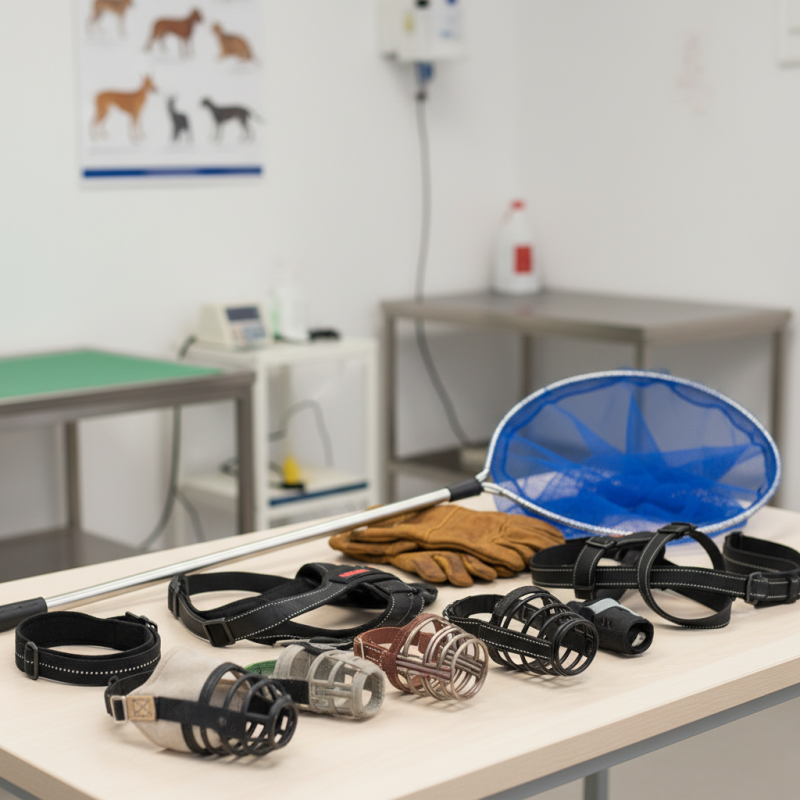
Factors to Consider When Choosing Animal Restraints
When selecting animal restraints, it's crucial to consider the specific needs of your situation. Various factors determine the effectiveness and safety of these restraints. According to a report by the American Veterinary Medical Association, understanding the animal's species, size, and temperament is essential. A lightweight restraint may work well for small pets but could fail with larger animals.
Ensure you assess the environment where the restraint will be used. Some materials might perform better in a clinical setting, while others might excel in a more rural context. Look for restraints that provide comfort while maintaining control. Techniques should reflect the latest animal behavior research. Incorporating such insights can prevent stress and injury.
It’s important to remember that not every restraint will be perfect for every animal. Have alternatives available and be ready to adapt. Always strive to use equipment that respects the well-being of the animal.
Tip: Regularly review your equipment's condition. Wear and tear can compromise effectiveness.
Tip: Attend workshops or training sessions on animal restraint techniques. Staying educated will enhance your skills and improve safety.
Considering these aspects will help you make informed choices that prioritize animal welfare and operational efficiency.
Types of Animal Restraints and Their Uses
When selecting animal restraints, understanding the types available is crucial. Each type serves a unique purpose. For example, chemical restraints, often used in veterinary settings, require careful dosage considerations. Reports indicate that improper use can lead to adverse reactions in 15% of cases. This highlights the importance of professional knowledge when administering these methods.
Physical restraints, such as muzzles or leash systems, offer control during examinations. They can minimize stress for both the pet and the caregiver. The American Animal Hospital Association recommends specific types for different species, ensuring safety and comfort. However, there’s a growing concern about their effectiveness. Overuse may lead to a negative behavioral response in animals, echoing findings from a study indicating that up to 30% of animals exhibit increased anxiety.
Mechanical restraints, like cat carriers or dog crates, are beneficial for transport. However, experts warn against prolonged confinement, which can harm mental health. Regulations emphasize the importance of frequent breaks. A National Pet Safety report shows that 45% of pet owners are unaware of the potential stress these restraints can induce. Knowledge gaps like this point to the need for continuous education in animal handling practices.
How to Choose the Right Animal Restraints for Your Needs? - Types of Animal Restraints and Their Uses
| Type of Restraint | Description | Best Suited For | Safety Considerations |
| Muzzles | Devices placed over the snout of an animal to prevent biting. | Dogs, Cats during grooming or vet visits. | Ensure proper fit to avoid distress. |
| Leashes | A strap used to control and lead an animal. | Walking dogs, Training sessions. | Check for wear and tear to prevent breakage. |
| Collars | A band placed around the neck for identification and control. | Cats, Dogs, Livestock. | Ensure it’s not too tight to avoid choking. |
| Restraint Bags | Heavy-duty fabric bags used to immobilize and secure animals. | Exotic animals, Larger pets during transportation. | Monitor for overheating or distress during use. |
| Veterinary Restraints | Specialized equipment designed to safely hold animals during exams. | All pets during veterinary procedures. | Ensure comfort and use trained personnel for application. |
Assessing Animal Size and Behavior for Restraint Selection
Choosing the right animal restraints starts with understanding the size and behavior of the animals involved. A report by the American Veterinary Medical Association highlights that larger animals often require stronger, more durable restraints to ensure safety. For example, a thorough assessment of an animal's weight and strength is essential to avoid accidents during restraint procedures.
Behavior patterns also play a critical role in selection. An anxious animal may require a different approach than a calm one. A study published in the Journal of Animal Science indicated that utilizing gentle handling methods can significantly reduce stress. Animals that react negatively might struggle more, necessitating specialized restraints. Observing an animal’s natural tendencies can guide you in choosing the appropriate equipment.
Experts recommend that restraint techniques be adapted based on individual behavioral traits. For instance, an aggressive animal may require more secure, quick-release options to ensure handler safety. Continuous training and experience will enhance your understanding of different species. This knowledge allows for better responsiveness in various situations. Reflecting on past experiences and outcomes can lead to improved restraint practices as well.
Safety Features to Look for in Animal Restraints
Choosing the right animal restraints requires careful consideration, especially regarding safety features. Look for products that have been tested for durability and effectiveness. Materials should be robust yet gentle on the animal’s skin. Any restraint designed for animals should not cause injury or stress. Think about the design; it should allow for comfortable movement while ensuring control.
Easy adjustments are vital. Restraints should fit securely but not be overly tight. Look for features like quick-release mechanisms. These can be lifesavers in emergencies. Reflect on how each restraint functions in real situations. You want the flexibility to adapt in unpredictable environments. A well-thought-out strain can make a significant difference in animal welfare.
Consider the ease of cleaning as a safety aspect. Materials that are easy to sanitize reduce the risk of infections. Aim for products that offer visibility while restraining the animal. This helps in monitoring their well-being. Reflect on past experiences and think about improvements. Each choice impacts the overall safety of the animal in your care.
Animal Restraints Safety Features Comparison
Best Practices for Using Animal Restraints Effectively
When using animal restraints, it is essential to prioritize safety and comfort. Research indicates that improper restraint methods can lead to stress and injury in animals. According to a study published in the Journal of Veterinary Behavior, around 25% of animals experience significant distress when restrained incorrectly. This highlights the importance of selecting the right restraint that matches the size and temperament of the animal.
Effective practices include observing animal behavior prior to restraint. Recognizing signs of anxiety or discomfort can prevent potential issues. Applying positive reinforcement during the restraint process can build trust. An analysis by the American Animal Hospital Association shows that animals exposed to gentle and calm restraint techniques respond better and recover quicker. It is also crucial to regularly review restraint equipment for wear and tear, ensuring it remains safe and functional.
Additionally, the environment plays a vital role. A quieter, less stimulating space can help reduce stress levels. Providing breaks during prolonged restraint can improve the animal’s experience. Despite our best efforts, misunderstandings about an animal’s needs can occur. Reflecting on past experiences can lead to better practices in the future. It’s a continuous learning process for every animal handler.