How to Choose the Right AGV at the 139th Canton Fair?
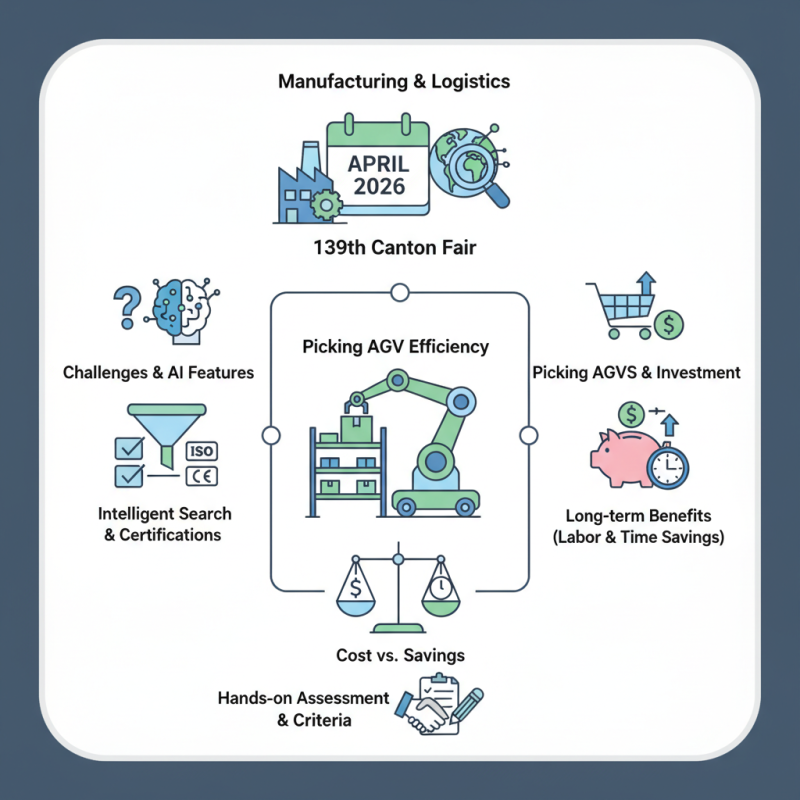
Choosing the right Automated Guided Vehicle (AGV) is crucial for efficiency in manufacturing and logistics. At the upcoming 139th Canton Fair in April 2026, the focus will be on advanced manufacturing technologies, including Picking Agvs. Buyers face challenges in selecting the best models that align with their operational needs.
The integration of AI features at the fair enhances the purchasing experience. Intelligent search tools help buyers filter suppliers based on specific qualifications, such as ISO or CE certifications. This innovation aims to streamline the decision-making process. However, the abundance of options can overwhelm buyers. They must carefully evaluate their requirements.
Efficiency in material handling is vital, yet many fail to consider the long-term benefits of investing in Picking AGVs. It's essential to balance immediate costs with potential savings in labor and time. The Canton Fair offers an excellent opportunity for hands-on assessments. Attendees should arrive equipped with clear criteria to make informed choices, ensuring their investment addresses future challenges.
Factors to Consider When Selecting an AGV for Your Business Needs
Choosing the right Automated Guided Vehicle (AGV) is crucial for optimizing operations. Start by assessing your specific business needs. What tasks do you want the AGV to accomplish? Consider load capacity and the size of your facility. If the AGV cannot navigate your space efficiently, it can lead to frustrating delays.
Next, think about the technology. Many AGVs come with advanced sensors and software. This can improve navigation and safety. However, not all technologies fit every environment. Some may require a lengthy setup. Others might be too complex for your team. It's essential to understand the learning curve involved.
Don't overlook maintenance. Regular upkeep is vital for AGV longevity. Some models may need frequent repairs, while others are more robust. Analyze the cost implications. Sometimes, lower initial costs lead to higher long-term expenses. This requires careful thought. A good AGV should be reliable and easy to maintain, reflecting the true value for your business.
Understanding Different Types of AGVs Available at the Canton Fair
At the 139th Canton Fair, selecting the right Automated Guided Vehicle (AGV) involves understanding the various types available. AGVs come in several forms, each suited for different tasks. For example, some AGVs are designed for material transport, while others excel in inventory management. Knowing the specifics can help streamline your operations.
One popular type is the tow vehicle. It pulls carts filled with goods. These are great for large warehouses. On the other hand, unit load carriers transport single items. They fit well in smaller spaces. Another option is the mobile robot. These can navigate complex environments independently. However, not all environments suit them. Be prepared for a learning curve when integrating new technology.
Selecting an AGV isn’t always straightforward. Consider your warehouse layout and workflow before making a choice. Test different models to see which fits best. Listen to feedback from your team. Some AGVs may face challenges with obstacles or uneven surfaces. Reflect on these aspects when deciding. Each AGV has strengths and weaknesses. Make an informed choice based on practical needs.
Evaluating AGV Features: Performance, Safety, and Adaptability
When selecting an Automated Guided Vehicle (AGV) at the 139th Canton Fair, evaluating key features is essential. Performance is crucial. Look for AGVs that can handle the specific loads you plan to transport. Assess the speed, load capacity, and efficiency. An AGV that moves slowly may not meet your operational demands. Speed matters, especially in busy environments. Slow performance can lead to bottlenecks and delays.
Safety features must not be overlooked. A reliable AGV should be equipped with sensors to detect obstacles. These sensors help to prevent collisions. Additionally, consider the braking system. An effective braking system is vital to ensure safe operation around workers. However, some AGVs may have limited safety features. You should critically assess whether their safety meets your workplace standards.
Adaptability is another key aspect. Some AGVs might struggle with changes in layout or tasks. Others can easily adjust to different conditions. Flexibility can save time and money in the long run. Think about your future needs. An AGV that lacks adaptability may require costly upgrades. Identifying the right balance among these features can be challenging. Each option has trade-offs, and making the right choice requires careful contemplation.
Budgeting for Your AGV Purchase: Cost Analysis and Financing Options
Budgeting for an Automated Guided Vehicle (AGV) purchase is crucial. According to industry reports, AGVs can range from $50,000 to over $250,000. This is influenced by features, technology, and customization. Many companies overlook hidden costs, like maintenance and training. It’s essential to factor these into your budget.
Financing options offer flexibility. Leasing an AGV can lower upfront costs. This can be beneficial for cash flow. Some firms find that financing through installment plans can ease budget strain. Always read the fine print before signing any agreement.
Tip: Conduct a total cost of ownership analysis. Consider long-term savings from efficiency gains. Engage stakeholders early in the decision-making process. Aligning everyone’s needs can prevent costly mistakes later. Don't rush the process; clarify your requirements first.
Choosing the right AGV requires thoughtful planning. Reflect on your current and future needs. Many firms regret not considering scalability. Remember, a well-planned investment today can pay off in the future.
Logistics and Integration: Ensuring Compatibility with Existing Systems
Choosing the right AGV at the 139th Canton Fair involves understanding compatibility with your current systems. Logistics integration plays a critical role. An AGV should seamlessly fit into your existing workflow. Disruption can lead to wasted time and money.
It’s important to assess your current logistics processes. Evaluate how an AGV would interact with your inventory management. Will it communicate effectively with other systems? Check for the necessary interfaces and protocols. Not all AGVs are created equal; compatibility issues often arise.
When selecting an AGV, consider future expansions. Is the AGV scalable? Can it adapt to new technologies? Understanding limitations is key. Don't overlook potential challenges in integration. Each system has its quirks. Identifying these factors can prevent costly mistakes in the long run.
How to Choose the Right AGV at the 139th Canton Fair? - Logistics and Integration: Ensuring Compatibility with Existing Systems
| AGV Type | Load Capacity (kg) | Navigation Type | Battery Type | Compatibility |
| Pallet Truck AGV | 1500 | Laser Navigation | Lithium-ion | Warehouse Management Systems |
| Unit Load AGV | 1000 | Magnetic Tape | Lead-acid | ERP Systems |
| Tugger AGV | 2000 | Vision Navigation | Lithium-ion | Production Control Systems |
| Forklift AGV | 1200 | Laser Navigation | Lithium-ion | Inventory Management Systems |
| Heavy Duty AGV | 3000 | Inertial Navigation | Lead-acid | Custom Solutions |