Top Face Recognition Devices to Watch in 2025 and Beyond
The rapid advancements in technology have propelled face recognition devices into the forefront of security and identification systems, making them indispensable tools in various domains. According to a recent report by MarketsandMarkets, the face recognition market is projected to grow from USD 3.2 billion in 2020 to USD 7.0 billion by 2025, reflecting a compound annual growth rate (CAGR) of 16.6%. This explosive growth is driven by increasing demand for advanced security solutions and the integration of artificial intelligence (AI) capabilities in face recognition devices, enabling real-time analytics and higher accuracy in user identification.

As we look ahead to 2025 and beyond, several face recognition devices are poised to redefine the landscape of biometric technology. Innovations in machine learning algorithms and hardware improvements are enhancing the efficiency and reliability of these devices across various applications, including retail analytics, public safety, and access control. For instance, the increased adoption of facial recognition systems in law enforcement and airport security signifies the growing trust and reliance on this technology. As businesses and governments recognize the importance of enhancing safety and user experience, the face recognition device market is anticipated to expand further, leading to increased investment in research and development to improve user privacy and data protection measures while maintaining operational efficacy.
Innovations in AI Algorithms Driving Face Recognition Technology Forward
In 2025 and beyond, the face recognition technology landscape will be significantly shaped by advancements in AI algorithms. These innovations are not only enhancing accuracy but also expanding the applications of facial recognition across various sectors such as healthcare, retail, and automotive. The integration of AI-driven algorithms allows for faster processing speeds, better adaptability in varying lighting conditions, and improved user privacy measures.
Tips for Organizations: To effectively leverage these technological advancements, businesses should invest in training staff on the implications of AI in face recognition. Understanding the ethical considerations and regulatory frameworks will ensure responsible deployment. Additionally, collaborating with technology partners that emphasize transparency in AI development can foster trust among users.
The expected growth of the AI image recognition market in the U.S. is further propelled by substantial investments from both government and private sectors. As more industries embrace these technologies, it is crucial to stay updated with ongoing innovations and best practices. Organizations should also consider conducting pilot programs to assess the benefits and challenges of implementing advanced facial recognition systems within their operational frameworks.
Top Face Recognition Devices to Watch in 2025 and Beyond - Innovations in AI Algorithms Driving Face Recognition Technology Forward
| Device Type |
Key Features |
Expected Release Date |
AI Algorithm Innovations |
Use Cases |
| Mobile Device |
Real-time recognition, Security unlock |
2025 |
Enhanced neural networks |
Personal Security, Authentication |
| Surveillance Camera |
360-degree viewing, Night vision |
2024 |
Facial emotion recognition |
Public safety, Crime prevention |
| Smart Access Control |
Touchless entry, Remote monitoring |
2025 |
Deep learning enhancements |
Corporate Security, Facility Management |
| Wearable Device |
Hands-free identification, Health tracking |
2026 |
Proactive AI monitoring |
Personal Safety, Health Monitoring |
| Robotics |
Interaction capabilities, Customization |
2025 |
Ethical AI integration |
Retail, Customer Service |
Emerging Trends in Privacy and Ethical Considerations for Face Recognition Devices
As face recognition technology continues to evolve, emerging trends signal a growing emphasis on privacy and ethical considerations. Consumers and advocacy groups are increasingly demanding transparency in how facial data is collected, stored, and utilized. The debate around data ownership is gaining momentum, with calls for stricter regulations to ensure that individuals have control over their own biometric information. Manufacturers are urged to implement robust measures to prevent unauthorized access and misuse, which will be crucial in maintaining public trust.
Moreover, the ethical implications of deploying face recognition devices in public spaces are under scrutiny. Questions arise about the potential for surveillance overreach and the unintended consequences of biased algorithms that may disproportionately affect marginalized communities. To address these concerns, companies are focusing on developing ethical frameworks and guidelines for their technology. Engaging with diverse stakeholders, including ethicists and civil rights organizations, is becoming essential in shaping responsible practices and promoting accountability within the face recognition landscape. This shift acknowledges the need for a balanced approach that prioritizes innovation while safeguarding individual rights.
The Role of Facial Recognition in Security and Surveillance Advancements
Facial recognition technology is rapidly evolving, significantly impacting security and surveillance sectors. According to a report by Markets and Markets, the facial recognition market is projected to grow from $3.2 billion in 2020 to $7.0 billion by 2025, reflecting a compound annual growth rate (CAGR) of 16.6%. This growth is largely driven by the increasing demand for surveillance systems in public safety and law enforcement, along with the need for robust identification solutions in various industries.
As advancements in artificial intelligence and machine learning enhance the accuracy of facial recognition systems, their application in security protocols is becoming more sophisticated. For example, in 2021, the European Union initiated regulations governing the use of biometric surveillance, emphasizing the importance of privacy while recognizing the benefits of facial recognition technology in crime prevention and threat detection. The global surge in urbanization, combined with escalating security concerns, suggests that the integration of facial recognition in smart cities will be pivotal. These developments will facilitate enhanced monitoring capabilities, enabling authorities to respond swiftly to incidents and improve overall public safety.
Integration of Face Recognition with Smart Devices and IoT Applications
The integration of face recognition technology with smart devices and IoT applications is poised to redefine user interaction in the coming years. As the global AI image recognition market is projected to reach a staggering value of $22.273 billion by 2025, the demand for sophisticated, AI-embedded functionalities in everyday devices is becoming increasingly apparent.
The shift from traditional microcontrollers to edge AI is transforming the operational paradigms of smart devices, moving beyond simple control systems to encompass complex AI-driven tasks.
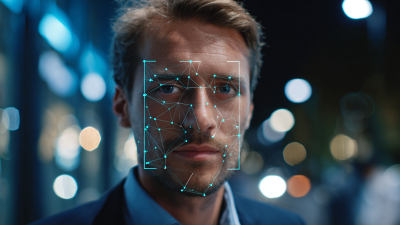
Within this dynamic landscape, companies are racing to develop advanced face recognition devices that enhance security and user experience. These systems, with their capability to analyze and interpret facial features in real-time, will likely play a pivotal role in various applications, from smart home security to personalized customer engagement in retail settings.
As we advance toward 2025, the synergy between face recognition technology and IoT will set a new standard for how people interact with technology, making it more intuitive and responsive.
Future Market Predictions: Growth Opportunities for Face Recognition Manufacturers
As we look ahead to 2025 and beyond, the face recognition market is poised for remarkable growth, driven by advancements in artificial intelligence and machine learning technologies. According to a recent report by MarketsandMarkets, the global face recognition market is expected to reach USD 9.6 billion by 2025, growing at a CAGR of 16.6% from 2020. This growth is fueled by an increasing demand for advanced security systems and a rising need for biometric solutions across various sectors, including retail, finance, and law enforcement.
To capitalize on these growth opportunities, manufacturers must stay ahead of the curve by investing in innovative technology and ensuring compliance with privacy regulations. One strategy to consider is leveraging cloud-based solutions, which can enhance the scalability and accessibility of face recognition systems. As more businesses migrate to digital platforms, the integration of sophisticated face recognition technology will become essential for safeguarding customer data.
Tip: Stay informed about the latest advancements in face recognition algorithms to improve accuracy and reduce bias in your systems. Moreover, partnering with regulatory bodies can provide insights into best practices for ethical implementation. By embracing these approaches, manufacturers can position themselves favorably in the evolving landscape of face recognition technology.