Top 5 Fingerprint Reader Tips for Global Buyers?
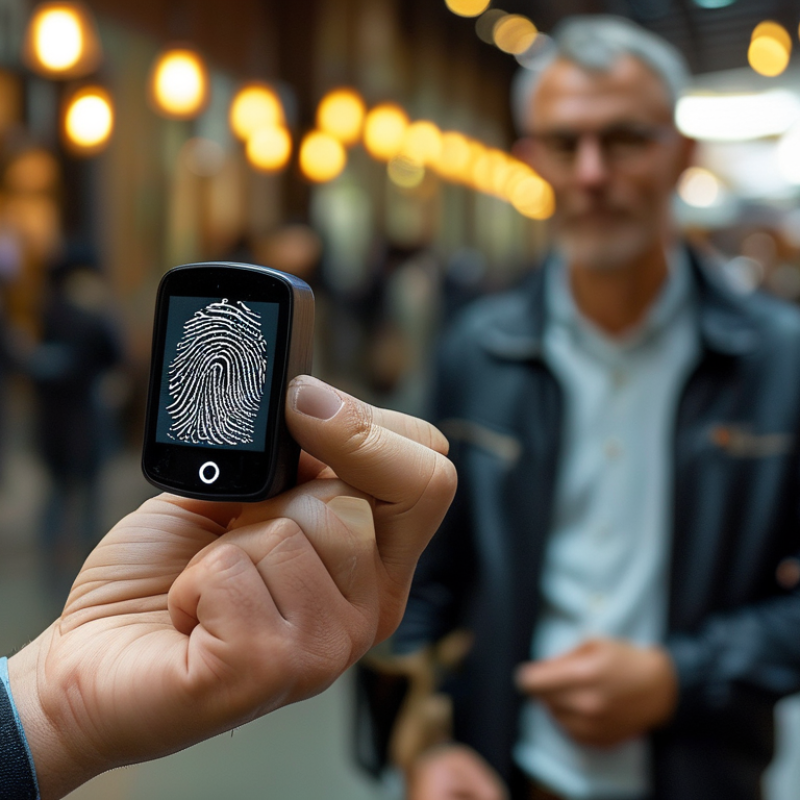
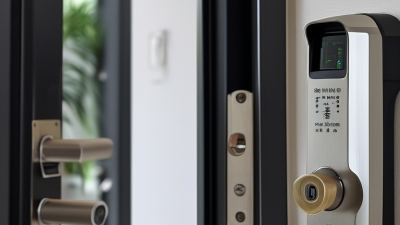
In today's digital age, a reliable Fingerprint Reader can enhance security and accessibility. As consumers worldwide increasingly prioritize privacy, choosing the right fingerprint reader becomes essential. However, the market offers numerous options, and not all devices are created equal.
Understanding the characteristics of a quality fingerprint reader is crucial. Many buyers may overlook key features, leading to poor choices. For instance, consider how users interact with their devices daily. A reader that fails to recognize fingerprints after multiple tries can be frustrating.
Additionally, manufacturers often make bold claims. It’s vital to look for verified user reviews and expert opinions. This information can shed light on the device's performance and reliability. Mindfully evaluating these aspects helps ensure that your fingerprint reader meets your needs and expectations.
Essential Features to Look for in a Fingerprint Reader
Choosing the right fingerprint reader involves understanding its essential features. High accuracy is a priority. According to a recent report, over 30% of fingerprint readers fall short in this area. Accuracy can significantly impact user experience and security. Look for devices with at least a 1% false acceptance rate. This ensures that unauthorized users are kept at bay.
Another crucial feature is speed. Users expect a quick response. Data suggests that 70% of users abandon devices that take more than a second to read their fingerprints. Speed correlates with efficiency in high-throughput environments. A device capable of processing fingerprints in less than a second is ideal.
Integration capability also matters. Many businesses rely on a combination of systems for security. A reader that seamlessly integrates with existing software can save time and reduce management complexity. Aim for devices that offer compatibility with common security protocols. Reflect on how well the fingerprint reader aligns with your organization’s current and future needs. The decision should balance security, efficiency, and necessary adaptability.
Comparing Different Fingerprint Reader Technologies
When evaluating fingerprint reader technologies, understanding the differences is crucial. Optical scanners utilize light to capture fingerprints. They can be effective in well-lit conditions but struggle in low-light environments. Capacitive sensors, on the other hand, measure the electrical signals generated by a finger's ridges. This technology is more reliable and offers better accuracy in various conditions.
Ultrasonic fingerprint readers use sound waves to create a detailed 3D image of the fingerprint. This advanced method provides high security but may require additional processing time. Each technology has its strengths and weaknesses. Buyers should evaluate their specific needs before making a decision. An optical scanner may be suitable for casual use but lacks the security required in high-stakes environments.
Additionally, biometric systems are not foolproof. Some fingerprint readers may fail to recognize prints due to dirt or moisture. Environmental factors can impact performance. Buyers must consider durability and user experience. Each technology has trade-offs. Understanding these nuances helps in making an informed decision on the right fingerprint reader for various applications.
Understanding the Importance of Security in Fingerprint Scanners
Fingerprint scanners have become vital in ensuring security across various sectors, including banking, healthcare, and personal devices. According to a report by MarketsandMarkets, the biometric authentication market is projected to reach $45 billion by 2025. This growth reflects an increasing reliance on these technologies to protect sensitive information and prevent unauthorized access.
When selecting a fingerprint reader, buyers should focus on accuracy. A high false acceptance rate can undermine security, allowing unauthorized access. Additionally, consider the scanner's speed. A scanner that operates slowly can frustrate users and disrupt workflow. Look for models that combine quick response times with reliable performance.
Investing in a device with advanced features can enhance security. Some scanners now use multi-factor authentication for added protection. This approach combines fingerprint recognition with other methods, such as passwords or facial recognition. Though these options may be more expensive, they offer superior security against potential breaches.
Users should also reflect on the scanner's integration capabilities. Devices that easily connect with existing security systems will save time and reduce costs. Not all scanners are compatible with every system, making research critical. Evaluating these factors will bring buyers closer to a secure and user-friendly solution.
Tips for Setting Up and Maintaining Your Fingerprint Reader
When setting up and maintaining your fingerprint reader, attention to detail is key. Start by ensuring that the device is placed on a stable surface. This minimizes movement during scans, enhancing accuracy. Regular cleaning is essential as dirt can hinder performance. Use a soft, slightly damp cloth to wipe the sensor periodically.
Another crucial aspect is user training. Ensure all users understand how to position their fingers correctly. A misaligned finger can lead to failed scans, causing frustration. Encourage practice to increase familiarity with the device. Users should also register multiple fingerprints to ensure access even if one finger is injured or not functioning properly.
Maintenance doesn’t stop after installation. Regular software updates are vital for security and performance. Check the manufacturer’s website or consult reliable sources for any available updates. If issues arise, refer to troubleshooting guides but don’t hesitate to seek professional help if needed. Neglecting these steps could result in decreased efficiency over time. Engaging with the process will enhance user experience and reliability.
Evaluating the Reliability and Accuracy of Fingerprint Readers
When evaluating fingerprint readers, reliability and accuracy stand as critical factors. A reliable reader consistently recognizes fingerprints under various conditions. Environmental factors, such as humidity and light, can affect performance. Users should check if the device performs well in different settings. Testing units in diverse conditions helps assess their reliability.
Accuracy is equally important. A fingerprint reader should minimize false rejections and acceptances. The ideal device will identify legitimate users while preventing unauthorized access. However, no system is flawless. Some models struggle with accuracy, especially when users have worn or damaged fingerprints. Regular evaluations can highlight these limitations and encourage informed choices.
Consider reading reviews and user experiences. Feedback from others can reveal long-term performance issues. Assessing both reliability and accuracy is key when selecting a fingerprint reader. Be open to adjusting selections based on real-world feedback and performance reports. This approach fosters a more dependable choice in securing personal information.
Top 5 Fingerprint Reader Tips for Global Buyers
| Tip |
Description |
Reliability Rating (1-5) |
Accuracy Rate (%) |
| Check Sensor Quality |
Ensure the sensor technology is up-to-date, such as capacitive or optical. |
5 |
98% |
| Test User Enrollment |
Evaluate the ease and reliability of enrolling fingerprints. |
4 |
95% |
| Evaluate Environmental Adaptability |
Ensure performance under various environmental conditions (e.g., humidity, temperature). |
4 |
90% |
| Check the Speed of Recognition |
Assess how quickly the device recognizes fingerprints during use. |
5 |
97% |
| Look for Additional Security Features |
Consider devices that offer encryption or multi-factor authentication. |
5 |
98% |