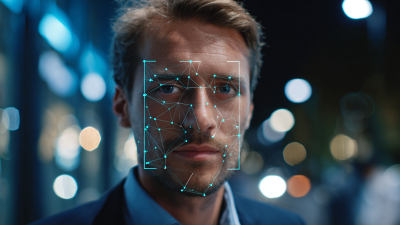
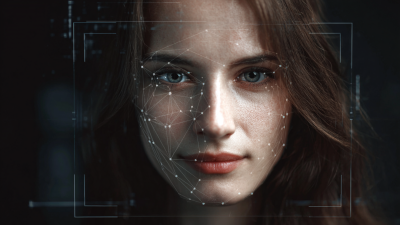
Why is Facial Recognition System Important for Security?
In the evolving landscape of security, the importance of the Facial Recognition System cannot be overstated. Dr. Emily Chen, a leading expert in biometric technology, once stated, “Facial recognition is not just a tool; it’s a pivotal element for modern security solutions.” This technology assists in identifying individuals swiftly and accurately, enhancing safety across various sectors.
Facial Recognition Systems are widely utilized in airports, schools, and public spaces. They provide a robust method for preventing unauthorized access and identifying threats. However, challenges remain. Privacy concerns and potential misuse of data can lead to serious ethical dilemmas. The balance between safety and individual rights is delicate. Society must question how these systems impact daily life.
As we integrate the Facial Recognition System into our security frameworks, reflection is crucial. The benefits are clear, but so are the risks. Addressing possible inaccuracies and biases in these systems is essential for fostering public trust. Moving forward, we should strive for a system that safeguards without infringing on personal freedoms.
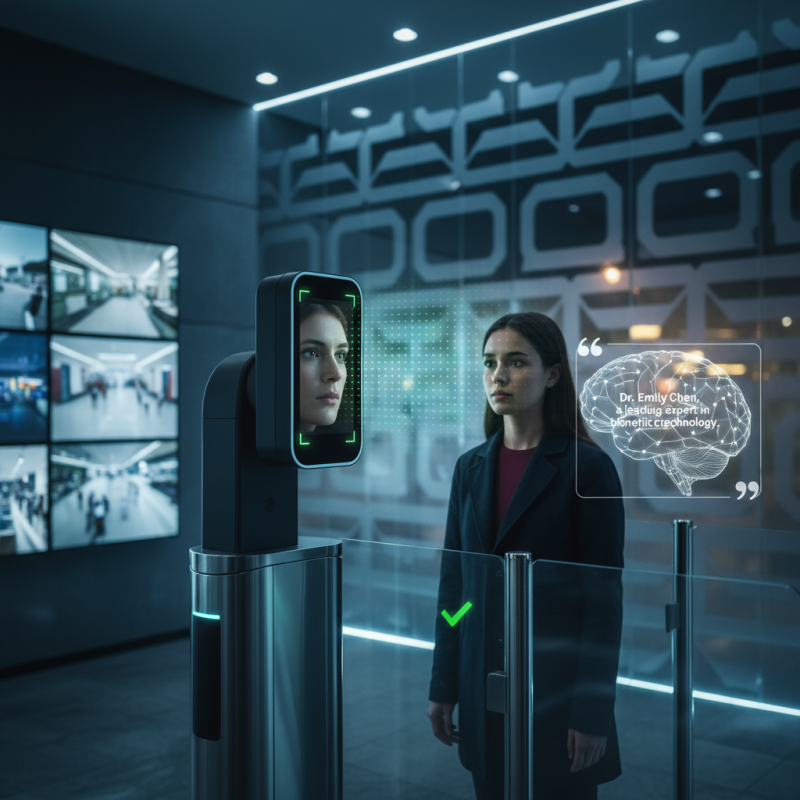
Understanding Facial Recognition Technology and Its Mechanism
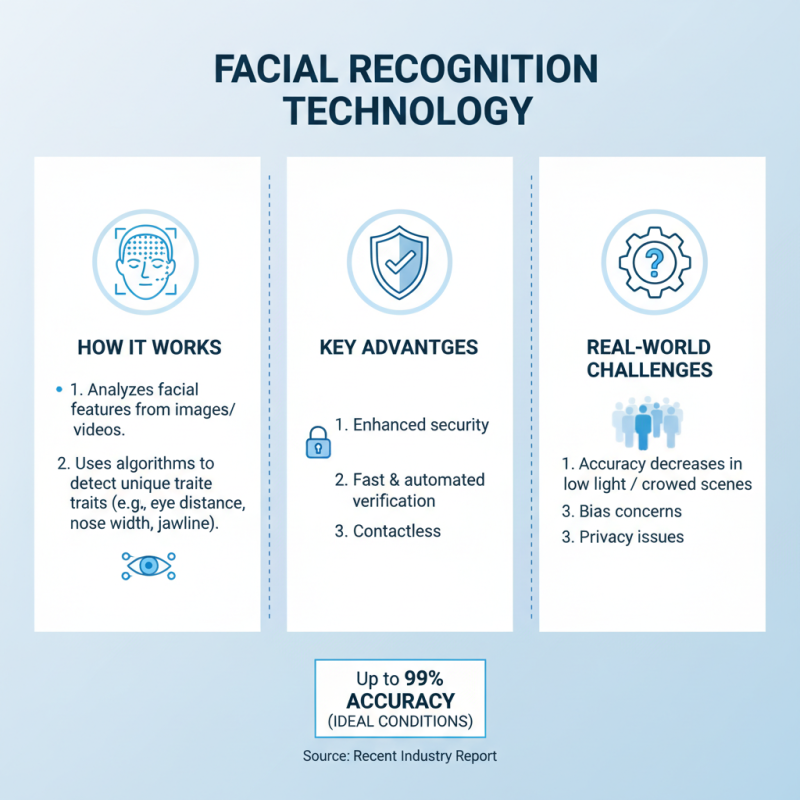
Facial recognition technology has revolutionized security systems across various sectors. At its core, this technology analyzes facial features from images and matches them against databases. It utilizes algorithms that detect unique traits, such as distances between eyes, nose width, and jawline contours. According to a recent report, the accuracy of facial recognition systems is around 99% under ideal conditions. However, real-world performance often falls short, especially in low-light or crowded scenarios.
Different applications of facial recognition highlight its significance. Airports employ this technology to enhance passenger security effectively. However, a study revealed that such systems misidentify individuals 1 in 1,000 times, which raises concerns about reliability. Additionally, retail sectors leverage facial recognition to understand customer behavior. Yet, privacy advocates cite incidents where these systems were used without consent, leading to ethical dilemmas.
As technology evolves, so do the challenges. Developers face the task of maintaining accuracy while addressing biases entrenched in training datasets. Reports indicate that systems often misidentify individuals from minority groups, which is a troubling reality. Balancing security and ethical considerations remains a significant hurdle. The ongoing dialogue highlights the need for better regulations and transparency in deploying facial recognition technology.
Key Applications of Facial Recognition in Security Systems
Facial recognition technology plays a crucial role in modern security systems. Its applications extend across various sectors, enhancing safety and efficiency. According to a recent report by the International Data Corporation (IDC), the facial recognition market is expected to reach $9.6 billion by 2022. This growth highlights the increasing reliance on this technology.
One major application is in public safety. Law enforcement agencies use facial recognition to identify suspects quickly. This can lead to faster arrests and deter criminal activities. A study from the National Institute of Standards and Technology (NIST) found that advanced facial recognition systems can increase identification accuracy by over 99%. However, concerns about privacy and data security persist.
Another application is access control. Organizations leverage facial recognition for secure entry points. It replaces traditional methods like keys and cards. This reduces unauthorized access risks. Yet, the technology is not infallible. False positives can occur, which might disrupt legitimate access.
Tips: Regularly update your facial recognition systems to mitigate vulnerabilities. Also, inform employees about how their data will be used. Awareness can prevent misunderstandings. Balancing security and privacy is essential as this technology evolves.
Benefits of Facial Recognition for Law Enforcement and Crime Prevention
Facial recognition technology is becoming a vital tool for law enforcement agencies worldwide. A 2020 report from the International Association of Chiefs of Police indicated that 70% of police departments in the U.S. use facial recognition systems. This technology helps identify suspects quickly, leading to faster investigative processes. In scenarios where time is crucial, such as missing person cases, this speed can save lives.
Additionally, facial recognition aids in crime prevention. The use of this technology at public events can deter criminal activities. According to a 2021 study by the National Institute of Justice, areas with facial recognition surveillance saw a 25% decrease in shoplifting incidents. However, these systems can sometimes misidentify individuals. Reports suggest that error rates may vary significantly across different demographics. This raises concerns about biases in technology, necessitating careful implementation and accountability.
Privacy issues also warrant attention. Many citizens feel uneasy about constant surveillance. The balance between safety and personal privacy is delicate. These concerns must be addressed to ensure the successful integration of facial recognition in law enforcement. As this technology evolves, ongoing discussions around ethics and accuracy become increasingly crucial for its future use.
Challenges and Concerns Surrounding Facial Recognition in Security
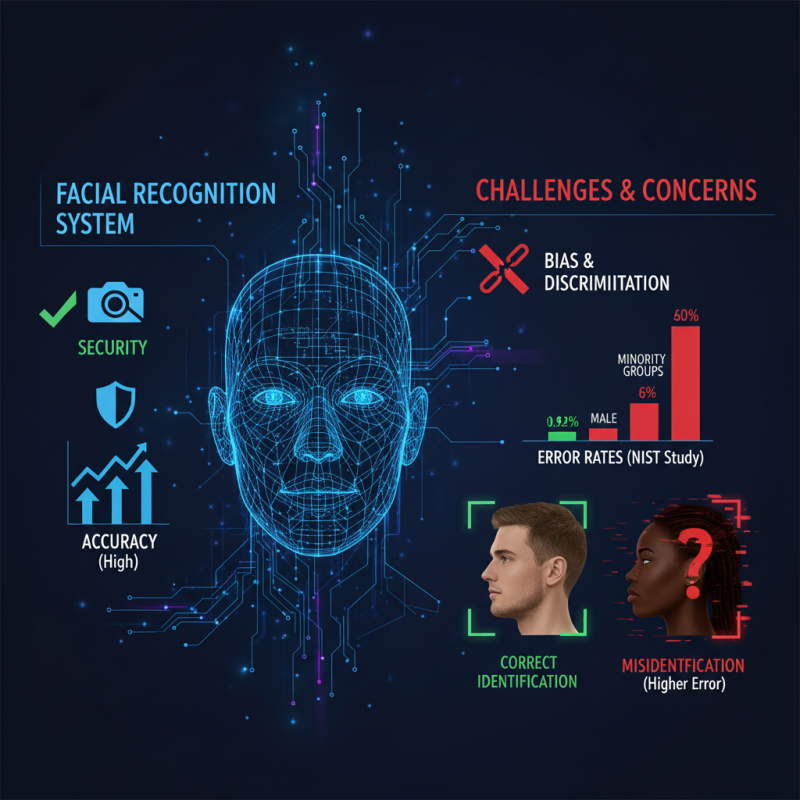
Facial recognition systems have become essential for security. However, several challenges and concerns surround their use. Accuracy is a major issue. Reports reveal that some systems misidentify individuals, especially people of color. A study by the National Institute of Standards and Technology showed error rates that are significantly higher for minority groups. This raises alarms about bias and discrimination.
Privacy concerns also play a significant role in the debate. Many people are uncomfortable being tracked in public spaces. A survey found that 70% of respondents worry about excessive surveillance. This apprehension leads to a demand for stricter regulations. Yet, regulations often lag behind technological advancements. There is a constant struggle between enhancing security and respecting individual privacy.
Moreover, the potential for misuse exists. Data breaches can expose sensitive information. Onlookers may question who has access to this data. Trust is fragile. As organizations deploy these systems, they must address public fears. Transparency in how data is collected and used is crucial. Otherwise, public acceptance may decline.
Future Trends and Developments in Facial Recognition for Enhanced Security
Facial recognition technology is evolving rapidly. The future holds exciting developments that can enhance security measures. New algorithms are becoming smarter, allowing for faster and more accurate identification. These advancements will help in various sectors, including public safety and access control. Imagine a system that can identify individuals from a distance while maintaining privacy.
Integration with artificial intelligence is driving these trends. AI can analyze patterns and improve recognition accuracy. This technology could lead to real-time threat detection. However, challenges remain. False positives can lead to wrongful accusations. Privacy concerns are also critical. Balancing security and individual rights is a complex issue.
As we embrace these technologies, ethical considerations are necessary. Society must discuss how these tools should be used. Collaboration between developers and policymakers is essential. Open dialogues can ensure that facial recognition serves the greater good while addressing potential pitfalls.