How to Achieve Perfect 3D Wheel Alignment for Your Vehicle?
Achieving perfect 3d Wheel Alignment is essential for optimal vehicle performance. Proper alignment affects tire wear, handling, and fuel efficiency. However, many drivers overlook this crucial aspect of vehicle maintenance.
In an age of technology, 3D Wheel Alignment has become more accessible. Advanced systems can measure angles with precision. A few misalignments can lead to issues like uneven tire wear. It is crucial to address these problems promptly. Regular checks can prevent costly repairs down the line.
Despite the benefits, some still delay getting alignments. This may stem from a lack of awareness or understanding of its importance. A simple visit to a qualified mechanic can reveal much. Ignoring it may not seem urgent, but the long-term effects are real. Neglecting proper 3D Wheel Alignment could lead to frustrating driving experiences and financial implications.
Understanding 3D Wheel Alignment: Definition and Importance
3D wheel alignment is crucial for vehicle performance. It involves adjusting the angles of the wheels to the manufacturer's specifications. Correct alignment enhances tire life, improves fuel efficiency, and ensures a smoother ride. Many drivers overlook this, leading to uneven tire wear and compromised safety.
Understanding the importance of 3D wheel alignment can save you from costly repairs. Misalignment can result from potholes, curb impacts, or even normal wear and tear. Imagine driving with your wheels slightly off. You may not feel it immediately, but over time, it can cause significant problems. Your car could pull to one side or experience vibrations while driving.
Regular checks should be part of your vehicle maintenance routine. Many drivers neglect this aspect, thinking it’s unnecessary. Yet, 3D wheel alignment prevents premature tire replacement and enhances overall safety. It’s worth considering how often you check your alignment. Ignoring it might lead to unintended consequences, both financially and in terms of safety.
How to Achieve Perfect 3D Wheel Alignment for Your Vehicle?
| Alignment Type | Recommended Frequency | Key Benefits | Common Symptoms of Misalignment |
| 3D Wheel Alignment | Every 12,000 miles or at every tire change | Improved steering accuracy, Increased tire lifespan, Enhanced fuel efficiency | Uneven tire wear, Vehicle pulling to one side, Steering wheel off-center |
| Front-End Alignment | Every 6,000 miles or after hitting a pothole | Better handling, Prevents premature tire wear | Vibration in steering wheel, Difficulty keeping the vehicle straight |
| Rear Wheel Alignment | Once a year or if signs of alignment issues appear | Improves rear tire wear, Increases vehicle stability | Steering feels loose, Vehicle sways in the rear |
| Thrust Alignment | Every 12,000 miles or if significant curb impact occurs | Ensures rear wheels are aligned with front wheels | Off-center steering wheel, Pulled to one side during driving |
Key Components of 3D Wheel Alignment: Essential Tools and Equipment
Achieving a perfect 3D wheel alignment requires the right tools and equipment. Key components include alignment racks, sensors, and software. The alignment rack holds your vehicle in place. Precision is crucial here. You want to ensure that the rack is level and stable. A slight tilt can lead to inaccurate readings.
Next, laser sensors are essential. These devices measure angles with high accuracy. They help identify misalignments in camber, caster, and toe. This information is crucial for perfect alignment. However, sensors can be finicky. Calibration is necessary, and even minor errors can affect your results.
Software plays a critical role, too. It analyzes data from the sensors and provides necessary adjustments. If the software glitches, it may lead to incorrect settings. You need to double-check its outcomes regularly. Often, the human eye overlooks some details during alignment. A careful review can make all the difference in achieving true alignment. One overlooked aspect could lead to uneven tire wear. So, attention to detail is paramount.
Step-by-Step Process for Achieving Accurate 3D Wheel Alignment
Achieving accurate 3D wheel alignment is crucial for vehicle performance. Many drivers underestimate its importance. A recent study indicated that improper alignment can reduce tire life by up to 30%. It can also lead to poor fuel efficiency, costing drivers more over time.
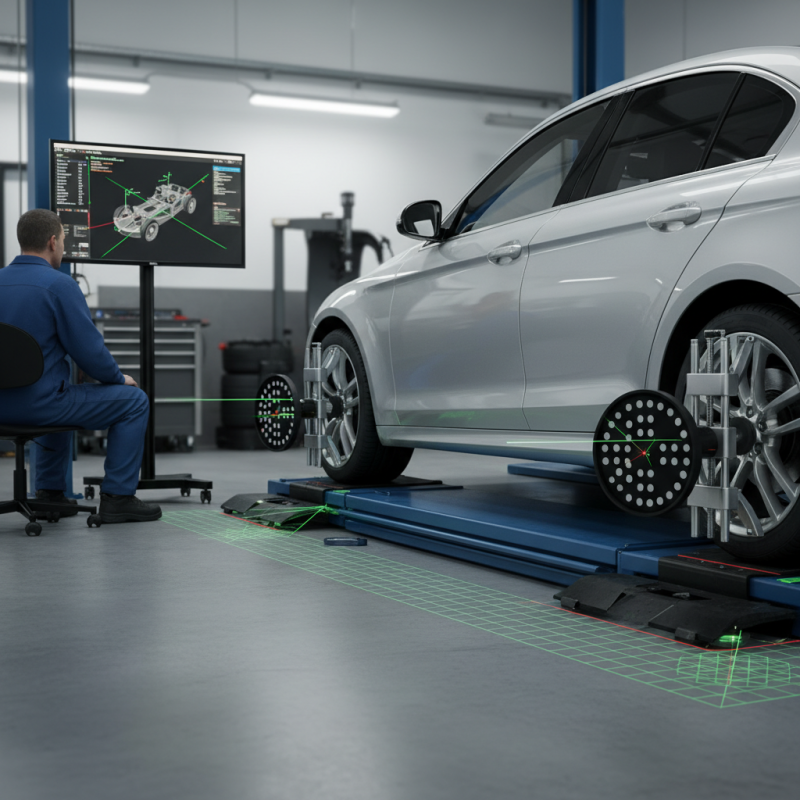
The step-by-step process begins with a thorough inspection of the vehicle. Check the tire pressure and condition first. Ensure all suspension components are secure. Next, set the vehicle on a calibrated alignment machine. The machine uses 3D imaging to pinpoint misalignments. Misalignments can occur from hitting a pothole or regular wear and tear.
Taking precise measurements is vital. The alignment technician should compare the angles and adjust as needed. Each angle impacts tire wear differently. Camber, toe, and caster need close attention. Regularly scheduled alignments can prevent issues. Yet, many people wait until problems arise. This delay often results in costly repairs. Keeping a maintenance log can help track alignment checks.
Common Mistakes to Avoid During 3D Wheel Alignment
Achieving perfect 3D wheel alignment requires attention to detail. Many mistakes can occur during the process, impacting vehicle performance. A study by the Automotive Research Institute found that 75% of misalignments stem from improper setup. Ensuring the vehicle is on a level surface is critical. If the car isn’t aligned correctly with the alignment machine, results will be inaccurate.
Another common error is neglecting to measure before adjustments. According to a report by the National Highway Traffic Safety Administration, failing to check pre-alignment readings can lead to excessive tire wear. Proper measurement ensures a baseline, helping technicians make informed adjustments. Even minor errors, like not tightening bolts to the specified torque, can compromise the alignment.
Calibration is often overlooked. Many technicians skip this step, assuming it’s unnecessary. However, miscalibrated equipment can yield unreliable readings. According to industry standards, recalibration should happen regularly. Investing time in correct calibration might seem tedious, but it is essential for optimal results. By addressing these common pitfalls, drivers can achieve superior wheel alignment and extend tire life.
Maintaining Proper Wheel Alignment: Tips for Vehicle Longevity
Maintaining proper wheel alignment is essential for your vehicle's longevity. Misalignment can lead to uneven tire wear. This not only affects your tires but can also impact your steering and suspension systems. Regular checks can help detect misalignment early, saving you money in the long run.
Look for signs of misalignment. Is your car pulling to one side? Are your steering wheel and tires out of sync? These issues can be subtle at first. Don’t ignore vibrations; they can indicate bigger problems. Keeping your tires properly inflated is also crucial. Under-inflation can lead to premature wear, even if alignment seems fine.
Regular maintenance is key. Schedule alignment checks whenever you rotate your tires or after hitting potholes. Don’t assume everything is perfect after an alignment service. Life happens, and roads are imperfect. Inspect your vehicle frequently. Even small misalignments can turn into costly repairs if left unchecked. Staying proactive is the best strategy for vehicle health.
3D Wheel Alignment Metrics
This bar chart displays the impact of various wheel alignment parameters on vehicle performance and longevity. The metrics included are Toe, Camber, and Caster angles, which are critical for achieving optimal wheel alignment.