Top Custom Glass Jar Manufacturers in China for Global Buyers?
In recent years, the demand for custom glass jars has surged globally. This growth is driven by rising consumer preferences for eco-friendly packaging solutions. According to a report by Research and Markets, the global glass packaging market is expected to reach over $100 billion by 2027, with custom solutions gaining significant traction.
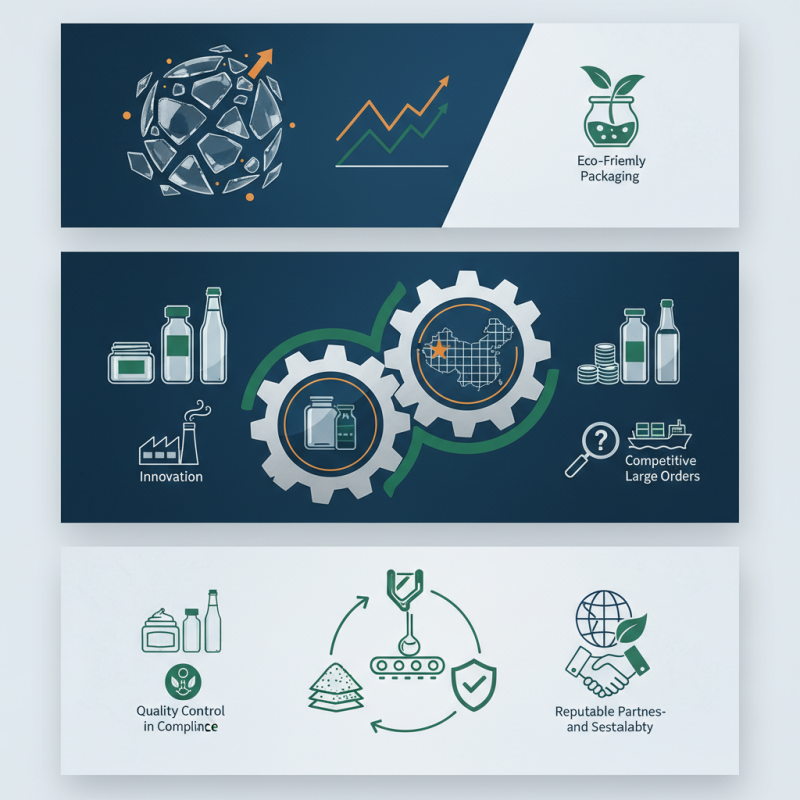
China has emerged as a leading hub for custom glass jar manufacturers. These manufacturers offer innovative designs and sustainable products to meet global buyer needs. With their competitive pricing and ability to handle large orders, they play a crucial role in the supply chain. However, not all manufacturers provide the same quality or sustainability. It is essential to research and compare options to find reliable partners.
Buyers should be aware of the complexities in this industry. Factors like material sourcing, production processes, and adherence to quality standards are vital. While many manufacturers boast impressive capabilities, ensuring compliance and sustainability is increasingly important. Engaging with reputable custom glass jar manufacturers can help mitigate risks and enhance product offerings in the market.
Top Custom Glass Jar Manufacturers in China for Global Buyers
China has emerged as a significant player in the global glass jar manufacturing market. Recent reports indicate that the country has a 30% share of the world’s custom glass jar production. This makes China a crucial source for businesses looking to source high-quality containers. Many manufacturers focus on eco-friendly materials and innovative designs, appealing to a growing market that values sustainability.
When selecting a manufacturer, consider their production capacity and quality certifications. A reliable partner should adhere to international standards. According to industry experts, quality control processes in leading companies can reduce defects by up to 20%. It’s essential to ask potential suppliers about their inspection methods and material sourcing.
Tips: Always request samples to assess quality. This can help avoid future issues with your orders. Additionally, familiarize yourself with the compliance requirements in your target markets. Research indicates that understanding these regulations can cut down on shipping delays significantly. Engaging in direct communication with manufacturers can foster transparency. This helps both parties understand expectations and timelines, ensuring a smoother partnership.
Top Custom Glass Jar Manufacturers in China for Global Buyers
| Manufacturer Location | Production Capacity (Units/Month) | Customization Options | Export Markets | Certifications |
| Zhejiang | 500,000 | Color, Size, Logo | North America, Europe | ISO 9001, FDA |
| Guangdong | 1,000,000 | Shape, Design | Asia, Australia | CE, SGS |
| Shanghai | 300,000 | Size, Labeling | Middle East, Africa | ISO 14001 |
| Jiangsu | 750,000 | Color, Shape | Europe, North America | FDA, BRC |
| Fujian | 400,000 | Design, Labeling | Australia, Asia | ISO 9001 |
Factors to Consider When Choosing a Custom Glass Jar Manufacturer
When selecting a custom glass jar manufacturer in China, several factors should be carefully considered. Quality assurance is a priority. Inspect the materials used in production. Glass opacity, thickness, and durability are key indicators. Right materials often lead to better products.
Pricing can vary significantly among manufacturers. It's essential to assess not only the cost but also the value offered. Cheaper options might compromise on quality, which could impact your brand reputation. Aim for a balance between price and quality.
Tips for making a wise selection:
- Request samples to evaluate quality before purchasing in bulk.
- Research the manufacturer’s production capabilities.
- Look for companies with certifications that indicate a commitment to quality.
Communication is crucial. The manufacturer should be responsive and open to your ideas. If there are language barriers, misunderstandings can occur. This can lead to delays and frustrated expectations. Make sure the manufacturer understands your vision clearly.
Be prepared to adapt your designs based on the manufacturer's expertise. Sometimes a proposed modification can enhance both
functionality and aesthetics.
Flexibility can lead to mutually beneficial outcomes.
Overview of Leading Custom Glass Jar Manufacturers in China
When exploring the landscape of custom glass jar manufacturers in China, several key players stand out. These manufacturers cater to global buyers, enhancing their reputation through quality products and innovative designs. They specialize in various glass jar styles, from decorative to functional uses. Many emphasize sustainability, using eco-friendly materials and practices. This approach resonates with consumers seeking environmentally conscious choices.
Tips: Always verify certifications when considering a manufacturer. This ensures compliance with international standards, instilling confidence in product quality.
Reaching out to these manufacturers can yield diverse options. Many offer customization services that cater to specific needs, such as size and shape. Understanding your requirements clearly can streamline the process. However, communication can sometimes be a challenge due to language barriers.
Tips: Be precise in your specifications. This helps avoid misunderstandings and ensures your needs are met effectively. Remember, patience is key when navigating supplier relationships.
Quality Standards and Certifications in the Glass Jar Industry
In the glass jar industry, quality standards and certifications are vital. Approximately 70% of manufacturers prioritize compliance with international standards. The ISO 9001 certification is common among top-tier manufacturers. This ensures a consistent quality management system. It reflects a commitment to quality that is essential for global buyers.
Another key aspect is product safety. Glass jars must meet safety requirements, such as the FDA regulations in the United States or the European Union’s REACH regulations. These standards guarantee that products are safe for food contact. Manufacturers often invest in rigorous testing to achieve certifications. However, not all factories consistently apply these standards. This inconsistency can lead to substandard products.
Sustainability practices are increasingly relevant. Reports indicate that over 50% of buyers prefer eco-friendly products. This places pressure on manufacturers to adopt sustainable practices. Nonetheless, achieving such standards requires investment. Some manufacturers lack the resources to meet these sustainable practices, leading to gaps in compliance and quality assurance.
Trends in Custom Glass Jar Design and Production in China
The custom glass jar industry in China is witnessing innovative trends. Manufacturers focus on sustainable materials and eco-friendly practices. The growing demand for personalized packaging drives design creativity. Custom shapes and colors are popular among consumers searching for unique products. These designs serve both function and aesthetic appeal.
Efforts toward automation enhance production efficiency. However, this shift raises concerns about quality control. Not all manufacturers maintain strict standards. It is crucial for buyers to assess potential partners thoroughly. While many suppliers claim high quality, not every production facility meets these expectations.
Moreover, trends show an increasing use of technology in design processes. 3D modeling and virtual prototypes are becoming standard. This allows for faster iterations but may limit artistic exploration. Balancing technology and creativity poses challenges. Manufacturers must navigate these complexities carefully.
Trends in Custom Glass Jar Production in China