Skip To Content

What Are the 2026 Top Incontinence Pad Types?

Choosing the right Incontinence Pad in 2026 will depend on protection level, body shape, mobility, skin health, and daily routine. A product that works during a short commute may fail during overnight use. That difference matters.

Dr. Paul Abrams, a respected urologist and continence-care researcher, has stated, “Urinary incontinence is a symptom, not a disease.” His observation encourages readers to look beyond absorbency claims. Leakage may relate to stress, urgency, limited mobility, medication, childbirth, or an untreated health condition. Pads can support daily confidence, but they should not replace professional assessment when symptoms change suddenly.

This guide examines the leading Incontinence Pad types expected to attract attention in 2026. It covers slim liners for light leakage, shaped pads for moderate protection, male guards, pull-up underwear, and high-absorbency adult briefs. It also considers reusable fabric options, breathable back sheets, odor control, wetness indicators, and skin-friendly materials. Small details can change comfort. A soft edge may prevent rubbing. A secure adhesive strip may keep the pad centered during walking. A wetness indicator can simplify care for users and caregivers.

There is no universal winner. Not even close. Some “advanced” designs feel bulky under clothing. Reusable products may reduce waste, yet they require careful washing and drying. The best choice balances reliable protection, comfort, discretion, cost, and medical needs. Readers should compare product specifications carefully and seek clinical advice for persistent or worsening incontinence.
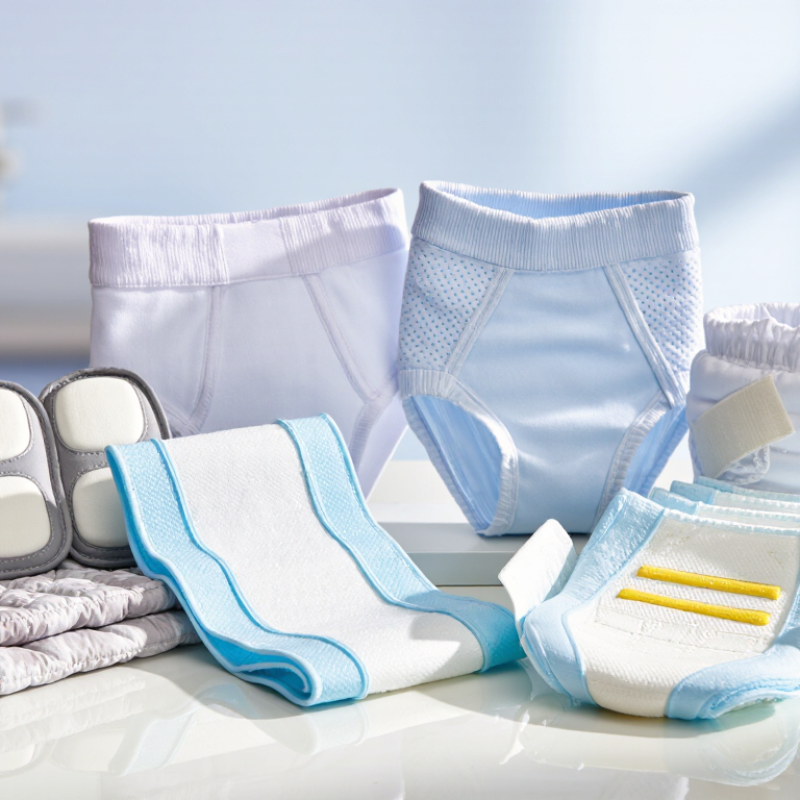
What Are the 2026 Top Incontinence Pad Types?

What Defines a Top Incontinence Pad Type in 2026?

What defines a top incontinence pad type in 2026? It is not maximum absorbency alone. A top option matches flow, body shape, mobility, and changing routines. Pull-up designs suit independent users needing underwear-like handling. Tab-fastened pads support quicker checks for people needing assistance. Slim liners suit light, occasional leakage, not heavy urinary loss. Fit comes first. Always.

Independent testing should measure retention, rewet, leakage, odor control, and skin contact. ISO 11948-1 provides a recognized absorbency test. However, laboratory capacity is not daily comfort. Fortune Business Insights and Grand View Research place the global adult incontinence market in the mid-to-high US$17 billion range for 2023. Both reports forecast continued growth through this decade. That scale raises expectations for evidence, not louder claims.

Material safety also defines quality. Soft back sheets, secure leg gathers, and breathable layers can reduce damp contact. Yet “breathable” needs measurable air-permeability evidence. EDANA sustainability guidance stresses lifecycle data, material efficiency, and responsible waste claims. Compostable sounds attractive. It is not automatically practical. Product choice should include waist measurement, absorbency rating, skin condition, and replacement frequency. Care teams should check fit after sitting, walking, and overnight use. Small leaks matter. So does dignity. No product wins every situation; testing can miss heat, friction, or rushed changes. That limitation deserves honest disclosure.

How Absorbency Levels Match Different Incontinence Needs

What Are the 2026 Top Incontinence Pad Types?

How Absorbency Levels Match Different Incontinence Needs

In 2026, the leading incontinence pad types include light bladder-leak pads, moderate-absorbency inserts, and high-absorbency products for heavier leakage. The right choice depends on volume, frequency, mobility, and skin sensitivity. The National Association for Continence reports that about 33 million Americans experience overactive bladder, showing why one absorbency level cannot suit everyone.

Light pads suit occasional drops during coughing, exercise, or commuting. Moderate pads offer more coverage for repeated leaks throughout the day. High-absorbency pads are designed for substantial urine loss, including overnight use. However, “maximum” does not always mean better. A bulky pad can increase heat, friction, and discomfort. The label is not a promise.

Clinical guidance from NICE recommends assessing leakage patterns before selecting continence products. Product testing often uses standardized laboratory methods, such as ISO 11948-1, but real-life performance can differ. Movement, fit, pad position, and delayed changing all matter. A useful routine is simple: track leakage for several days, note the activity involved, and choose the lowest level that stays reliably dry. This approach may sound obvious, yet it is often missed. Reassess after illness, medication changes, or reduced mobility. Even expert recommendations need adjustment.

What Are the 2026 Top Incontinence Pad Types?

How absorbency levels match different incontinence needs

The chart shows typical absorbency capacity ranges in milliliters for common pad types. Liners are generally suitable for occasional drips, light pads for small leaks, moderate pads for regular daytime leakage, and heavy or overnight pads for larger volumes or longer wear.

Absorbency figures are typical market ranges rather than a universal clinical standard. Actual performance varies according to product design, fit, body movement, fluid viscosity, and testing method.

Which Pad Designs Offer the Best Fit and Leak Protection?

What Are the 2026 Top Incontinence Pad Types?

The best pad design depends on body shape, leakage volume, and daily movement. Fit matters. Anatomical pads follow the body’s curve and suit light to moderate urinary leakage. Wider rear panels can improve protection while sitting or sleeping. Adhesive strips help prevent shifting, but they may feel restrictive on some underwear.

For heavier leakage, pull-on protective underwear offers closer coverage around the hips and legs. Tab-style briefs provide adjustable fastening and easier changes for people with limited mobility. Booster pads add absorbency, but they should not cover the product’s leakage barriers. Small gaps leak. The 2024 Grand View Research market report estimates the global adult incontinence products market will grow at about 6% annually through 2030, reflecting wider demand for discreet, body-specific designs. NIDDK also reports that roughly one in two women may experience urinary leakage, showing why comfort and dependable fit matter.

Tips: Measure the waist and hips, then follow the larger measurement. Choose the smallest size that closes comfortably. Check leg cuffs for flat contact, especially after walking. Change the pad after heavy wetting, not only when it feels full. Breathable backings may reduce heat, though they are not a cure for skin irritation. I have found that “maximum absorbency” does not always mean fewer leaks. A poor fit can defeat excellent materials. Test one design during a normal day before buying in bulk.

What Are the 2026 Top Incontinence Pad Types? - Which Pad Designs Offer the Best Fit and Leak Protection?

Pad Type Typical Absorbency Range Best For Fit and Design Features Leak-Protection Potential Breathability and Comfort Main Limitations
Light Bladder-Leakage Liner Approximately 50–300 mL, depending on size and construction Occasional drops or small leaks caused by coughing, sneezing, exercise, or light activity Thin, narrow profile with an adhesive strip; designed to fit regular underwear Low to moderate Usually the lightest and least noticeable option; soft topsheets can improve skin comfort May become saturated quickly during repeated or continuous leakage; limited side coverage
Shaped Moderate-Absorbency Pad Approximately 300–700 mL Moderate urinary leakage during daily activities Contoured shape, wider rear area, adhesive backing, and elasticized edges on some designs Moderate to high Good balance of discretion, flexibility, and absorbency for daytime use Requires correct placement; may not provide enough protection for heavy or sudden releases
High-Absorbency Anatomical Pad Approximately 700–1,200 mL Heavy urinary leakage when a separate pad is preferred over a full protective garment Longer body, larger absorbent core, contoured fit, and leak guards around the edges High Provides more coverage while remaining simpler to put on than a full brief Bulkier than light and moderate pads; may shift if underwear is loose or poorly fitted
Overnight or Maximum-Protection Pad Approximately 1,000–2,000 mL; actual performance varies by product and test method Extended wear, nighttime use, or heavier urinary episodes Extra-long absorbent core, wide rear panel, raised leakage barriers, and moisture-distribution layers High to very high Designed to reduce changes during sleep; softer materials can improve overnight comfort Greater thickness and heat retention; should be changed promptly after saturation
Male Guard Pad Approximately 100–600 mL Male urinary dribbling and light-to-moderate leakage Curved, cup-shaped profile with a wider front and adhesive strip for close positioning Moderate Compact design can provide good discretion when correctly positioned Not intended for vaginal anatomy; limited rear coverage and unsuitable for very heavy leakage
Booster Pad Commonly adds approximately 200–700 mL, depending on design Increasing the capacity of a compatible absorbent brief or protective underwear Placed inside another absorbent product; some designs have a moisture-permeable backing to let urine pass through Variable Can extend wear time when used with a compatible base product Cannot replace a complete product; an impermeable backing may cause premature overflow if used incorrectly
Reusable Washable Pad Approximately 150–600 mL per pad, depending on layers and size Light to moderate leakage and users seeking a washable option Fabric layers, absorbent inner core, waterproof or water-resistant backing, and snap fasteners or a non-slip design Low to high Soft textile surfaces can feel comfortable; reusable construction reduces disposable waste Needs washing and complete drying; fit and absorbency can change with laundering and fabric wear
Postpartum and Dual-Use Pad Approximately 500–1,200 mL, depending on size and absorbent core Postpartum bleeding, light urinary leakage, or users needing a longer wider pad Longer shape, broad rear coverage, high-waisted underwear compatibility, and soft surface materials Moderate to high Wide coverage can improve stability and reduce edge leaks during movement Designed primarily for blood and fluid management; may not have the same odor-control or urine-distribution features as continence pads

Absorbency figures are approximate comparison ranges rather than guaranteed real-world capacity. Actual protection depends on body shape, leakage speed, pad position, underwear fit, movement, and how promptly the product is changed. Product testing methods are not fully standardized, so the same stated capacity may perform differently in use.

How Materials and Skin-Friendly Features Affect Comfort

What Are the 2026 Top Incontinence Pad Types?

Material choices increasingly shape comfort, not just absorbency.

Grand View Research estimates the global adult incontinence products market reached about USD 17.5 billion in 2023, with steady growth through 2030. That growth reflects wider use of pull-on underwear, shaped insert pads, and adjustable tab-style briefs. Each type solves a different problem. Pull-ons feel familiar under loose trousers. Inserts suit lighter leakage and easier daytime changes. Tab-style products offer better positioning for limited mobility.

Comfort begins with the skin-facing layer. Soft, nonwoven materials can reduce friction, while breathable back sheets help heat escape.

Superabsorbent polymers lock fluid inside the core, but a thick design may still feel stiff. Thin does not always mean comfortable.

I have found that fit matters as much as material; a narrow pad can press into the groin when walking.

Skin-friendly features deserve closer attention.

NICE guidance recommends gentle cleansing and barrier protection for moisture-exposed skin, especially when irritation appears. Look for pH-balanced care routines, low-friction edges, and breathable materials. Fragrance-free options may help people with sensitive skin, although “natural” labeling is not proof of safety.

Some products also advertise aloe or vitamin additives, yet evidence can vary. A 2024 review in the International Wound Journal links prolonged moisture exposure with higher risks of incontinence-associated dermatitis.

Changing promptly remains practical advice. No pad replaces regular skin checks.

How to Choose the Right Incontinence Pad for Daily Use

What Are the 2026 Top Incontinence Pad Types?

Choosing the right incontinence pad starts with the kind of leakage you experience each day. Light bladder leakage may suit thin liners or discreet daily pads. Moderate leakage often needs a wider core and stronger adhesive strips. Heavy leakage may require high-absorbency pads with longer coverage. Overnight designs usually have a larger back area for side-sleeping. Fit matters as much as capacity.

Measure your underwear area and check the pad’s shape before buying. A contoured pad should sit close to the body without pressing the skin. Look for breathable backing, a soft surface, and moisture-locking channels. A pad that shifts during walking will not protect you well, even if its absorbency rating looks impressive. Change it after heavy wetting, or sooner if your skin feels damp. Keep spare pads in a small, sealed pouch.

Daily routines can change the best choice. A teacher may need a slim pad for long classes, while a caregiver may prefer extra coverage during transfers. Test one package first. My practical rule is simple, but not perfect: choose the lightest pad that stays dry and secure. Some people underestimate night leakage; others buy bulky protection they rarely need. Skin irritation, pain, strong odor, or sudden changes deserve medical advice, not just a different pad. Familiar movement patterns and careful fit checks often reveal more than packaging claims.